

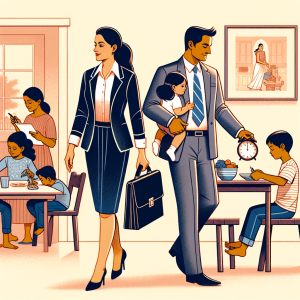
When Mom is the Breadwinner & Dad is the go-to-parent
In today’s evolving society, traditional family roles are increasingly flexible, reflecting changes in economic dynamics, career aspirations, and personal choices. More families are embracing setups where the mother is the primary breadwinner, and fathers are becoming the primary caregivers. This shift, while progressive and empowering, brings its unique set of challenges for both partners, particularly when societal expectations and old stereotypes still linger in the background.
Being the primary financial provider as a mother comes with significant responsibilities and unique pressures:
1. Workplace Pressure and Maternal Guilt:
– Workplace Dynamics: Mothers who are primary earners often face intense pressure to excel in their careers while battling stereotypes about their role in the family.
– Maternal Guilt: Societal expectations about motherhood can lead to guilt over spending less time at home. This guilt could be because of her own ideas of how much time she has to spend with her newborn, but also from comments and looks she experiences at work.
2. Balancing Career and Family:
– Even as the primary earner, mothers often still face the expectation of managing household duties and childcare, leading to a challenging balance and potential burnout.
3. Lack of Support:
– Despite their significant financial contribution, breadwinning moms might receive less recognition for their dual roles, both at work and in social settings, where traditional gender roles are still favored.
On the other hand, fathers who take on the role of primary caregivers confront their set of societal and personal challenges:
1. Societal Stereotypes and Isolation:
– Stereotypes: Stay-at-home dads often deal with societal stereotypes that question their masculinity or the validity of their role, leading to possible social isolation.
– Community Disconnect: Finding a community that includes other stay-at-home dads can be challenging, as most parenting groups might cater predominantly to mothers.
2. Professional Identity and Career Gaps:
– Many stay-at-home fathers face dilemmas regarding their professional identity and the impact on their career trajectory due to gaps in their resume, which can affect their future job prospects. This again stems from the stereotypical view that dads should be breadwinners and they should pursue a carreer. Taking this into consideration, if dads have this resume gap, according to society, it means that they cannot have this career, or lack the skills to pursue it. On the contrary, many fathers choose to be stay-at-home dads after they feel they have accomplished enough career-wise and now want to focus on their kids, which even though people are not being paid for, is one of the hardest jobs you can have.
3. Navigating Parenting Norms:
– Fathers may encounter assumptions about their parenting skills and find fewer resources tailored to support them, which can be frustrating and demoralizing.
As societal norms continue to evolve, embracing the role of a breadwinning mother and a stay-at-home father can become a fulfilling and respected choice. By addressing the unique challenges with understanding and proactive strategies, families can thrive in these configurations, offering valuable models of flexibility and resilience in parenting and career roles for future generations.
Lastly, a couple of episodes on our Podcast, discuss this specific topic and the obstacles that people encounter due to these stereotypes: