
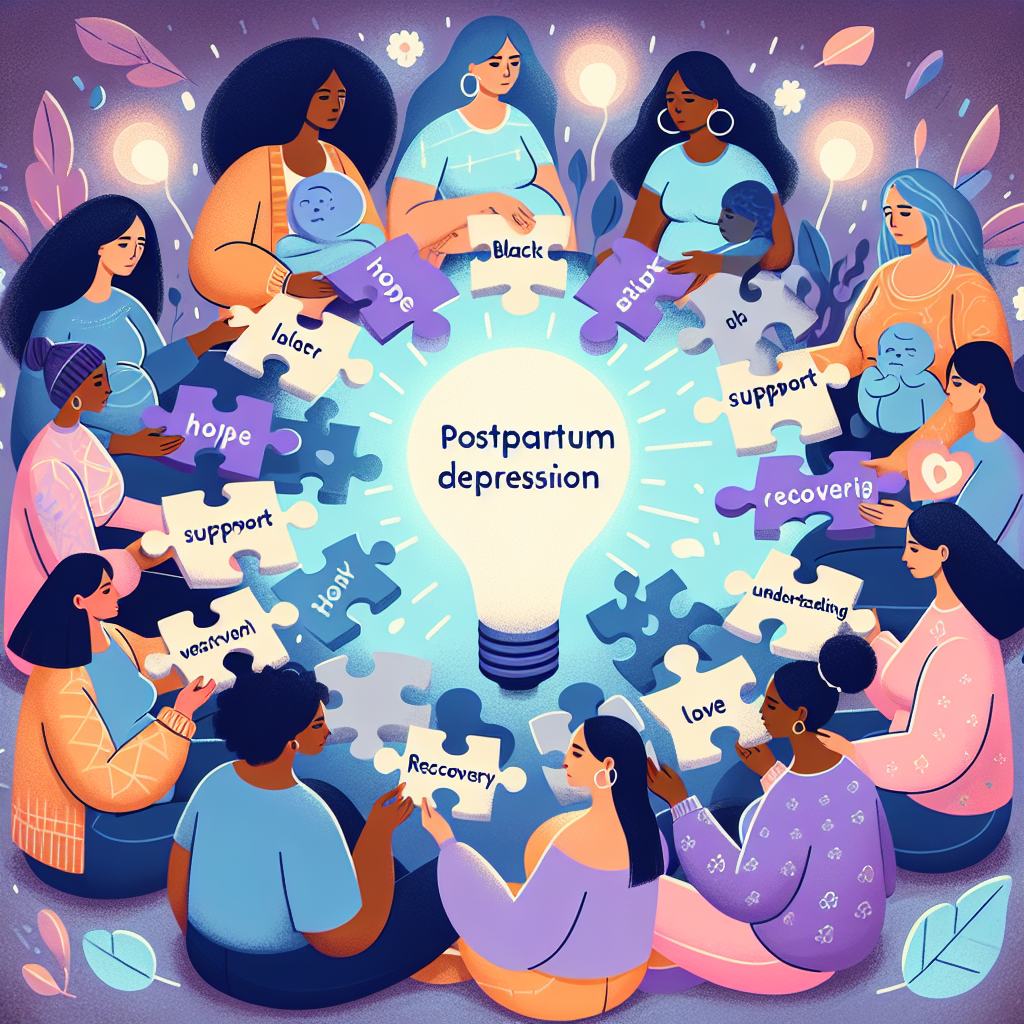
Postpartum depression (PPD) is a complex form of clinical depression that affects women after childbirth. It is a condition that can have profound effects on a new mother’s emotional and physical well-being, as well as her ability to care for her newborn. Although it’s often misunderstood or underestimated, understanding PPD and its implications is crucial for new mothers and those around them.
What is Postpartum Depression?
Postpartum depression is a type of mood disorder associated with childbirth, affecting approximately 10-15% of new mothers. While it shares some similarities with “baby blues”—a short-lived state of sadness and emotional instability experienced by 80% of mothers shortly after birth—PPD is more intense and lasts longer, requiring medical attention.
Symptoms of Postpartum Depression
PPD can manifest in a variety of emotional, physical, and behavioral symptoms, including:
Emotional Symptoms:
- Persistent sadness or low mood
- Irritability or anger
- Feelings of hopelessness or helplessness
- Excessive worrying or anxiety
- Difficulty bonding with the baby
Physical Symptoms:
- Fatigue or exhaustion
- Sleep disturbances (insomnia or oversleeping)
- Changes in appetite or weight
Behavioral Symptoms:
- Withdrawing from family and friends
- Loss of interest in activities once enjoyed
- Difficulty concentrating or making decisions
- Thoughts of harming oneself or the baby
Causes and Risk Factors
The exact cause of postpartum depression is not well understood, but several factors may contribute, including:
- Hormonal Changes: Rapid drop in hormones like estrogen and progesterone after childbirth can contribute to mood swings and feelings of depression.
- Genetic Factors: A family history of depression or postpartum depression may increase risk.
- Personal History: Previous episodes of depression or anxiety, or postpartum depression in previous pregnancies, can raise susceptibility.
- Life Stressors: Challenges such as lack of support, relationship issues, or financial difficulties can contribute to PPD.
- Physical Factors: Difficult childbirth experiences or concerns about health and body changes post-delivery can also play a role.
Diagnosis and Treatment
PPD is diagnosed through a clinical evaluation by a healthcare provider, often using screening tools like the Edinburgh Postnatal Depression Scale (EPDS) or the Patient Health 9 questionnaire (PHQ-9). Once diagnosed, postpartum depression is treatable. Effective treatment options include:
- Therapy: Cognitive Behavioral Therapy (CBT) or Interpersonal Therapy (IPT) can help address negative thought patterns and improve social interactions.
- Medication: Antidepressants can be prescribed, especially if symptoms are severe and do not improve with therapy alone.
- Support Groups: Connecting with other mothers experiencing similar challenges can provide emotional comfort and reduce feelings of isolation.
- Lifestyle Changes: Regular exercise, a healthy diet, and adequate sleep can improve symptoms significantly.
Importance of Seeking Help
It’s vital for new mothers and those near them to recognize the signs of postpartum depression and seek timely help. Untreated PPD can lead to long-term complications, affecting both mother and child.